OUR WRITING
Image
A decontructed sandwich. Photo by Louis Zhang via Unsplash.
Publication
Stuck in Motion: Why UK food system transformation is more than a knowledge problem
The UK has many of the ingredients considered necessary for food system transformation: a substantial evidence base, active organisations across sectors, growing policy attention and broad recognition that the food system needs to become healthier, more sustainable and more equitable. Yet progress remains slow, fragmented and difficult to see at the scale or pace required.Our project findings identify three complementary routes to change: policy, market, and local or citizen-led action. UK changemakers default to the policy route, but often combine different routes, while narrative and cultural change cut across all of them.Five recurring barriers stall progress in the UK: complexity and contested evidence; attachment to the status quo and fear of change; lack of long-term ‘funded leadership’; unequal power and political risk; and research agendas that can be too top-down or impractical.Crucially, UK changemakers did not simply ask for more research. They wanted better synthesis and translation of evidence, more practical understanding of what works and how change happens, earlier involvement in shaping research, stronger coordination across sectors, and longer-term, more flexible funding.The central challenge is not a lack of activity or ideas. It is connecting existing knowledge, organisations and opportunities to sustain action over time.A brief version of this report can be found here.The main report, authored by TABLE and partners under this same project, can be found here. National reports are also available for France, Ireland, Spain and Poland.
Image
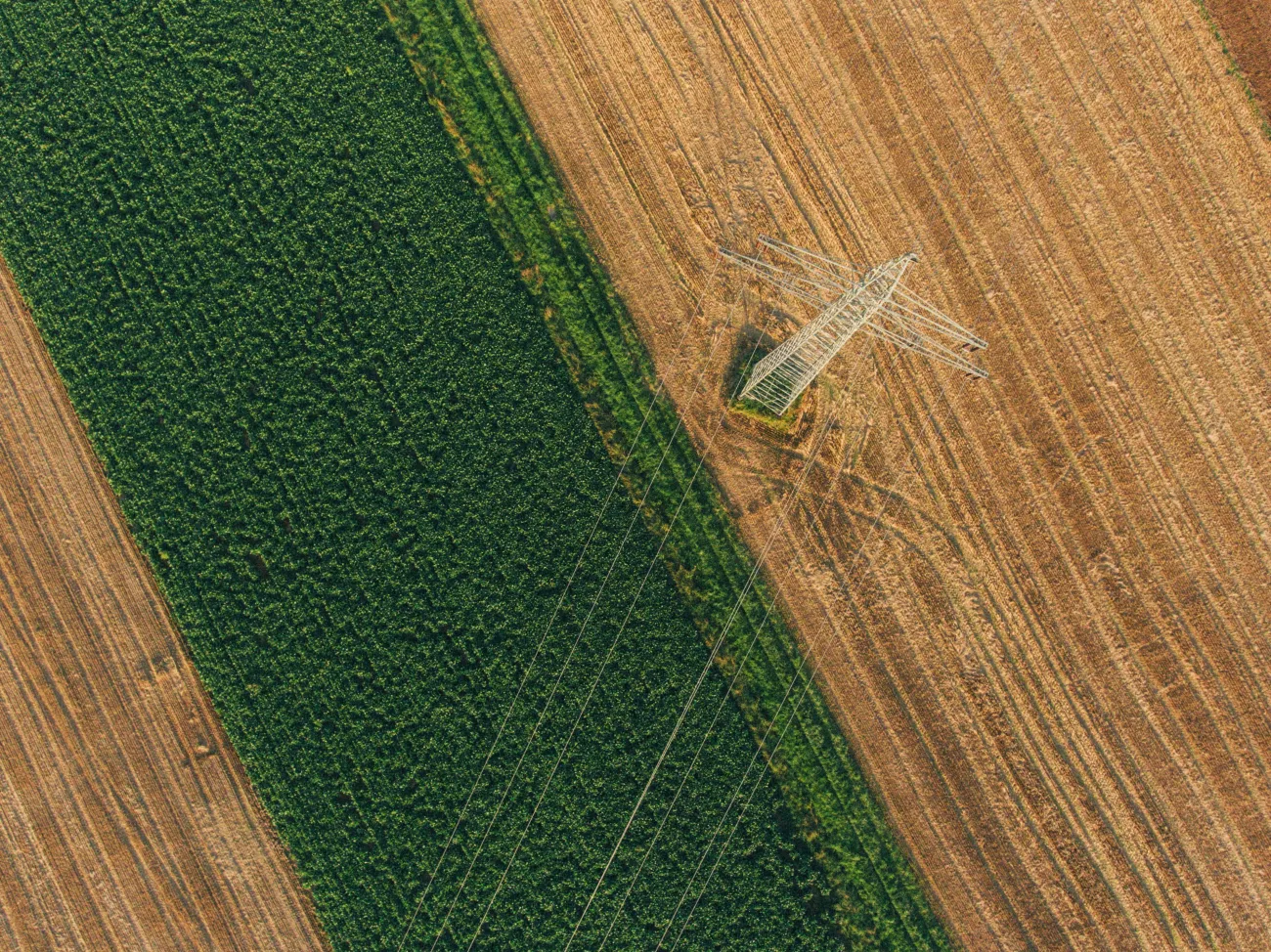
birds eye view of field and pylon, Max Bottinger via Unsplash
Publication
The Power project: a report on TABLE's exploration of power in the food system
At TABLE, we select annual themes to guide our work. These are usually concepts that act as fault lines in discussions of food system transformation, and concern what a ‘good’ food future might look like. Through a series of reports, essays, podcasts, events and explainers we consider the concept from many different angles. We hope that the totality of this work helps reveal the range of values, assumptions and evidence that shape stakeholders’ views and illuminates how and why they may disagree. TABLE’s report at the close of our SCALE theme noted that power was at the root of many concerns about localised or globalised food system approaches. Power is of course a too-big topic, encompassing not only its operation, mechanisms, handlers and impacts, but also what it is and how it is to be identified and redistributed. We approach the concept from multiple angles and via diverse modes of analysis to give a sense of its multifaceted nature. In a collection of 17 podcasts, TABLE asked contributors from a range of disciplines, professional backgrounds and ideological positions to tell us how they understand power and see its operations in their work. Our essays and blogs expanded on these and offer case studies and personal reflections. Our events gave contributors a chance to interact: An open discussion on power asked how participants see power fitting into conversation, while in Whose knowledge counts speakers asked how power might determine what we take as evidence. Lastly, we considered TABLE’s own experience of power in Process and Power at TABLE. Power can be a slippery concept to evaluate and discuss. To give it some materiality, we took protein as a case study, exploring how power has maintained this ‘charismatic nutrient’ at the centre of ideas about nutrition, development and farming. TABLE’s reports add a historical lens to consider how power has structured cultural understandings of protein when it comes to funding, research and international development strategies and activities in Primed for Power: a short cultural history of protein. The Investment, Power and Protein in Sub Saharan Africa report examined financial investment in protein production in sub-Saharan Africa, reflecting on how those cultural narratives are still informing resource distribution. You can explore all the Power materials on the project page. However, this theme is not hard-edged and many other resources on TABLE deal with questions of power. You can also explore our other themes of SCALE and NATURE, and the MEAT: the Four Futures project.https://www.doi.org/10.56661/d98edcaf