OUR WRITING KeywordsAgri-food systemAgricultural biodiversityAgricultural innovationAgricultural intensificationAgricultural lossesAgricultural monocultureAgricultural productionAgricultural productivityAgricultural yieldAgroecologyAgroforestry/silvopastureAlcoholic drinksAlternative food movementAlternative proteinAlternatives to intensive farmingAnimal feedAnimal welfareAnthropoceneAnthropocentrismAquacultureArable crops and arable landBeefBig foodBiodiversityBiodiversity conservationBioenergyBiological nitrogen fixationBiotechnologyCarbon footprintCarbon sequestrationCarbon sinksCarbon sinks and sequestrationChicken/poultryClimate changeClimate change impactsClimate policyCommunicable diseasesConservation biologyConsumer food choice appsConsumer perceptions and preferencesConsumptionConsumption and production trendsConventional agricultureCorporate food regimeCrop diversityCrop systemsCrop-livestock integrationCulture & communityDairyDeforestationDeforestation riskDevelopment policiesDietary guidelinesDietary surveyEcomodernismEconomics, business, and tradeEcosystemEcosystem restorationEcosystem servicesEcosystems & biodiversityEcosystems and ecosystem servicesEnvironmental & Social ImpactsEnvironmental impact assessmentsEnvironmental policyFarmingFarming systemsFeed conversion efficiencyFish stocks/overfishingFish/aquatic typesFisheriesFlexitarianismFood and agriculture policyFood and healthFood chainFood consumptionFood cultureFood justiceFood policyFood securityFood sovereigntyFood supplements/nutritional enhancementFood System TransformationFood systemsFood systems thinkingFood systems: an introductionFood systems: research methodsFood waste/surplus foodFruitFuture of foodGenderGHG emission trendsGHG emissions and mitigationGHG impacts and mitigationGHGsGlobal healthGlobal warming potentialGovernance, policy, and powerGrazed and confusedGrazing and grasslandGreen economy/alternative economic modelsGWP*Health and nutrition policyHealth concernsHorticulture and fruit treesHousehold food consumptionHuman health & wellbeingHungerIndustrial food manufacturingIndustry actions/CSRInequalityInsectsIntensive agricultureInvasive speciesInvestmentLand governanceLand sparing - sharingLand systems & changeLand useLand use and land use changeLegumes/pulsesLife cycleLife cycle analysisLivestockLivestock on LeftoversLocal foodMalnutritionMalnutrition/undernourishmentMarine and aquatic ecosystemsMarketsMeatMeat and taboos/religious beliefsMeat, Dairy & LivestockMethaneMilkMitigation policiesMonogastricMultiple burdens of malnutritionNitrogenNitrogen fixationNon-communicable diseasesNutritionNutritionismOrganicOrganic farmingOvernutritionPalm oilPlant/crop sciencePolitical economyPolitics & ParadigmsPorkPost-harvest lossesPoverty alleviationPower & ProteinProduction efficiency/intensityProteinProtein malnutrition and PEM (Protein-energy malnutrition)Public attitudesRegenerative agricultureRegenerative grazingResearch methodsResilience and vulnerabilityRewildingRuminantRuminantsScaleScience and backgroundSmallholder (farms)Soil healthSoilsSoySoy MoratoriumSpotlight onStandards/certificationStorage and refrigerationSubstitutes for meat & dairySupply chainsSustainable development goalsSustainable food securitySustainable healthy dietsSustainable intensificationTechnology & innovationThe Great Protein FiascoTradeUltra-processed foodUltra-processed food (UPF)UndernutritionUrban agricultureUrban food systemsVegetablesVegetarianism/veganismWater footprintWater managementWater use/consumptionWritten materialsZoonotic diseases TypeEssayExplainerLetterboxPublication RegionAfricaAsiaAustralasiaEuropeGlobalLatin America and the CaribbeanMiddle-eastNorth America Year201220132014201520162017201820192020202120222023202420252026 Image Essay How to get out of deep sh*t: the need for honest and nature-inclusive policy measures for livestock farming in the Netherlands Nitrogen has been at the centre of ongoing tensions in Dutch agricultural policy. Mirjam Schoonhoven-Speijer explores the history of the tensions and some proposed solutions.Mirjam is a post-doctorate researcher at Wageningen University. She’s interested in the informal part of food systems, because this is where, especially in the Global South, most of the exchanges in food systems happen. Yet it is also undervalued in research, policy and practice. Her PhD research, also at Wageningen University, involved a comparison of formal and informal market governance arrangements in the Ugandan oilseeds sector. The deceptively simple question of ‘how exchanges in food markets actually work and evolve in daily practice’ makes her tick. She explores this question with an interdisciplinary background in anthropology, development studies, sociology, agricultural economics, and innovation studies. Read Image Essay What We Disagree About When We Disagree About Meat This personal essay by Matthew Kessler was originally published in Tangle News, an independent, subscriber-supported media organization that covers the biggest politics stories in the U.S. by summarizing arguments from the right, left, and center (then "our take"). Matthew Kessler is the creator, host and producer of TABLE's food systems podcast, Feed, and has spent the past 15 years moving between farms, kitchens, universities, and recording studios. From 2022-2024, Matthew led a 2-year podcast project exploring four different futures for meat and livestock, adapted from Tara Garnett's Gut feelings essay. Read Image Essay Games at TABLE: A new platform for food system serious games Games at TABLE will soon be launched as the first food-systems-focused serious games library to encourage future project collaborations and support food system education, research, and broader transformation. Serious game expert Federico Andreotti provides an overview of serious games around farming and food systems, with three examples of existing serious games designed by students at Wageningen University.Federico is a lecturer and researcher at Wageningen University. He is the game expert of the CiFoS research team, and coordinator of the WUR Games Hub that connects multiple researchers that use games to bridge science and society. Federico’s PhD project was on the co-design and application of serious games for the sustainability transition of farming and food systems; his current research and education focus is on games design and play and participatory research methods to explore futures farming and food systems. Via “Games at TABLE” he aims to foster an international community connecting game researchers and designers across the globe, encompassing social sciences, natural sciences, and design. These partnerships may serve to develop effective strategy games and engage players with agency: decision makers who play and take action to transform systems.https://www.doi.org/10.56661/d1243efe Read Image Essay Coca and asparagus: How a US drug policy led to soaring water scarcity in Peru Intrigued by a news story about smuggled cocaine seized in a shipment of asparagus, researcher Azam Lashkari explored an unlikely connection between a booming agro-industry in Peru and an international effort to control cross-continental drug trade.Azam is a postdoctoral scientist and mathematical agroecologist at the John Innes Centre, Norwich, UK. Her research is concerning the role of climate change on food production. She uses data and mathematical models to explain and predict crop response to increasing temperature and drought. Beside her main research, she is interested in socio-economic aspects of climate change and human behaviour on environment. Read Image Essay Moving forward, looking back: Indigenous agriculture in Guatemala Growing crops in the mountainous rural areas of Guatemala presents unique challenges, and farmers there rely on a mix of Indigenous practice and new experimental treatments of bio-inputs, infused with micro-organisms. Nathan Einbinder writes about the farmers he met in Guatemala who are innovating collaboratively within their communities to instil resilience and sustainability on their farms.Nathan Einbinder is a lecturer and researcher specializing in agroecology and food systems. Since 2009, he has worked with Indigenous farmers and organizations in the Maya-Achí territory of Guatemala, on issues related to community development, traditional knowledge and soil health, and more recently, homemade biological inputs. This research was conducted while the author was working at the University of Plymouth.Also published in Spanish.https://www.doi.org/10.56661/cf0704b0 Read Image Essay Out of sight, out of mind? Addressing the invisibility of aquatic foods in food systems debates Blue food is too often left out of debates on food systems and food security. The physical inaccessibility of aquatic creatures, habitat and resources create their cultural invisibility - meaning their role in solutions goes unexplored, and key issues unaddressed. Learning from the Blue Humanities, IIED Researcher Giulia Nicolini calls on us to think blue food back into food systems - and so into their transformation. This essay draws on IIED’s ‘What about seafood?’ paper and work on aquatic foods. Giulia Nicolini is a researcher at the International Institute for Environment & Development (IIED). She works at the intersection of food and environmental issues, including blue foods and their role in the future of the UK food system. Giulia is also a PhD student in Anthropology at the University of Exeter, based in the Centre for Rural Policy Research. Her doctoral research explores how taste and demand for seaweed as a food are changing in the UK. Read Image Essay Three approaches for sustainable agriculture and their relationship with nature: a view from Colombia In early 2024, the MESA team held a workshop in Colombia. The discussion in the room framed the main similarities and differences in relation to nature for each of three agricultural approaches: organic agriculture, agroecology and regenerative agriculture. Camilo Ardila Galvis joined TABLE in December 2023 as part of the team at the University of the Andes (School of Government) in Colombia. He holds a BA in Economics, MA in Development Studies and MSc in Agroecology.This essay is also available in Spanish. Read Image Essay What can the Dublin Declaration teach us about credible scientific advocacy? The Dublin Declaration is a pro-livestock statement that emerged from a Summit held in Ireland on the societal role of meat. While the Declaration has had influence in EU spaces, it has also attracted considerable criticism for its limited engagement with the climate, nature and social implications of the current livestock system, and for its authors’ apparent connections to the meat industry. Irina Herzon, who co-authored a response to the Declaration published in Nature Food in August, argues that, irrespective of those connections, the Declaration provides an example of a flawed scientific advocacy that should make us wary. Here, she sets out how selective evidence and unwarranted polarisation can compromise the integrity of academic engagement. Read Image Essay Food and Farming in the Fells: regenerative agriculture and pathways to change in Cumbria Student and dairy farmer Joe Lyall rejects polarising food system solutions and finds balance between food and nature in regenerative agriculture while reflecting on his family’s business. This essay is based on a submission to TABLE’s 2024 Essay Challenge. Read VIEW MORE
Image Essay How to get out of deep sh*t: the need for honest and nature-inclusive policy measures for livestock farming in the Netherlands Nitrogen has been at the centre of ongoing tensions in Dutch agricultural policy. Mirjam Schoonhoven-Speijer explores the history of the tensions and some proposed solutions.Mirjam is a post-doctorate researcher at Wageningen University. She’s interested in the informal part of food systems, because this is where, especially in the Global South, most of the exchanges in food systems happen. Yet it is also undervalued in research, policy and practice. Her PhD research, also at Wageningen University, involved a comparison of formal and informal market governance arrangements in the Ugandan oilseeds sector. The deceptively simple question of ‘how exchanges in food markets actually work and evolve in daily practice’ makes her tick. She explores this question with an interdisciplinary background in anthropology, development studies, sociology, agricultural economics, and innovation studies. Read
Image Essay What We Disagree About When We Disagree About Meat This personal essay by Matthew Kessler was originally published in Tangle News, an independent, subscriber-supported media organization that covers the biggest politics stories in the U.S. by summarizing arguments from the right, left, and center (then "our take"). Matthew Kessler is the creator, host and producer of TABLE's food systems podcast, Feed, and has spent the past 15 years moving between farms, kitchens, universities, and recording studios. From 2022-2024, Matthew led a 2-year podcast project exploring four different futures for meat and livestock, adapted from Tara Garnett's Gut feelings essay. Read
Image Essay Games at TABLE: A new platform for food system serious games Games at TABLE will soon be launched as the first food-systems-focused serious games library to encourage future project collaborations and support food system education, research, and broader transformation. Serious game expert Federico Andreotti provides an overview of serious games around farming and food systems, with three examples of existing serious games designed by students at Wageningen University.Federico is a lecturer and researcher at Wageningen University. He is the game expert of the CiFoS research team, and coordinator of the WUR Games Hub that connects multiple researchers that use games to bridge science and society. Federico’s PhD project was on the co-design and application of serious games for the sustainability transition of farming and food systems; his current research and education focus is on games design and play and participatory research methods to explore futures farming and food systems. Via “Games at TABLE” he aims to foster an international community connecting game researchers and designers across the globe, encompassing social sciences, natural sciences, and design. These partnerships may serve to develop effective strategy games and engage players with agency: decision makers who play and take action to transform systems.https://www.doi.org/10.56661/d1243efe Read
Image Essay Coca and asparagus: How a US drug policy led to soaring water scarcity in Peru Intrigued by a news story about smuggled cocaine seized in a shipment of asparagus, researcher Azam Lashkari explored an unlikely connection between a booming agro-industry in Peru and an international effort to control cross-continental drug trade.Azam is a postdoctoral scientist and mathematical agroecologist at the John Innes Centre, Norwich, UK. Her research is concerning the role of climate change on food production. She uses data and mathematical models to explain and predict crop response to increasing temperature and drought. Beside her main research, she is interested in socio-economic aspects of climate change and human behaviour on environment. Read
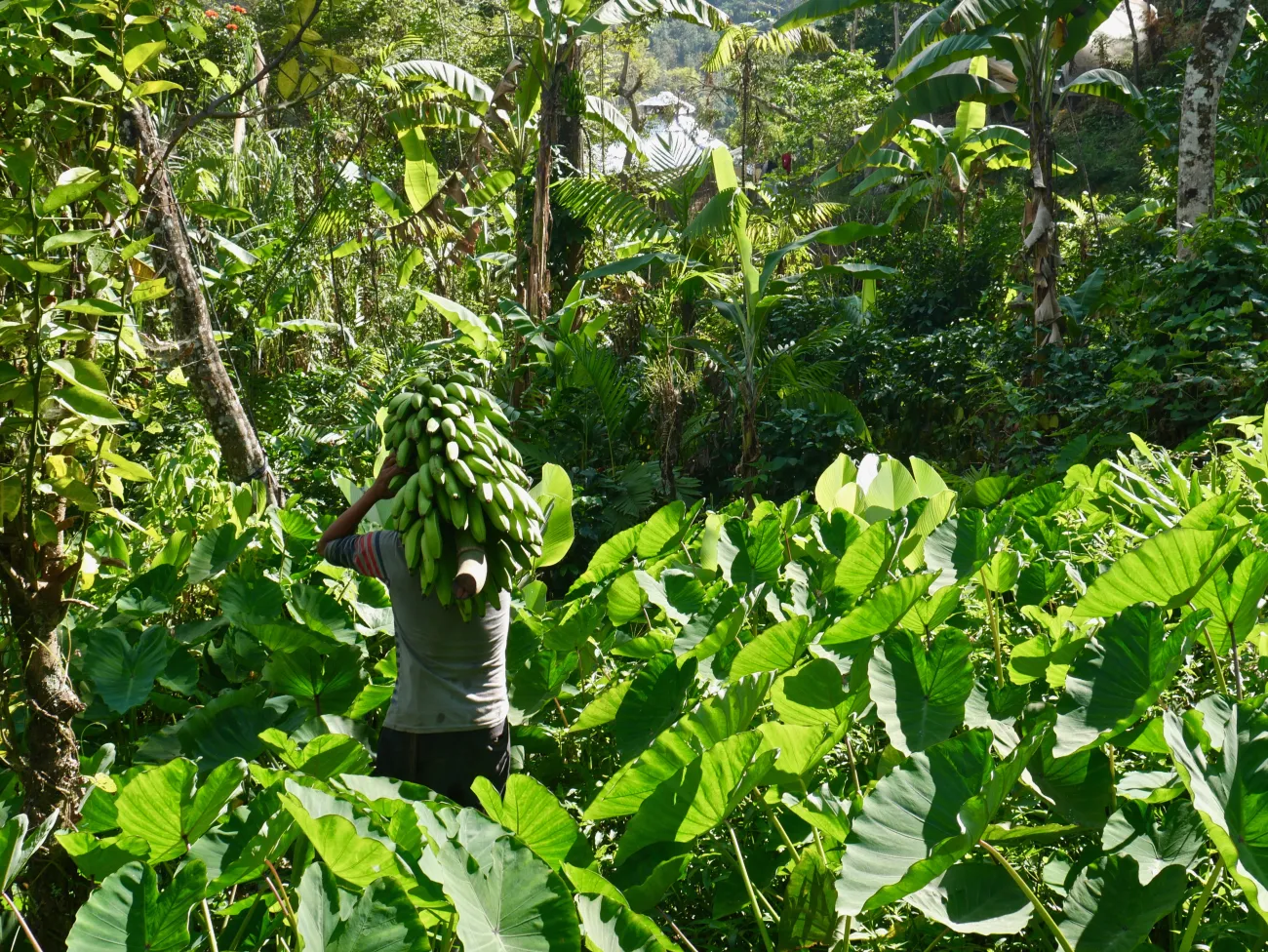
Image Essay Moving forward, looking back: Indigenous agriculture in Guatemala Growing crops in the mountainous rural areas of Guatemala presents unique challenges, and farmers there rely on a mix of Indigenous practice and new experimental treatments of bio-inputs, infused with micro-organisms. Nathan Einbinder writes about the farmers he met in Guatemala who are innovating collaboratively within their communities to instil resilience and sustainability on their farms.Nathan Einbinder is a lecturer and researcher specializing in agroecology and food systems. Since 2009, he has worked with Indigenous farmers and organizations in the Maya-Achí territory of Guatemala, on issues related to community development, traditional knowledge and soil health, and more recently, homemade biological inputs. This research was conducted while the author was working at the University of Plymouth.Also published in Spanish.https://www.doi.org/10.56661/cf0704b0 Read
Image Essay Out of sight, out of mind? Addressing the invisibility of aquatic foods in food systems debates Blue food is too often left out of debates on food systems and food security. The physical inaccessibility of aquatic creatures, habitat and resources create their cultural invisibility - meaning their role in solutions goes unexplored, and key issues unaddressed. Learning from the Blue Humanities, IIED Researcher Giulia Nicolini calls on us to think blue food back into food systems - and so into their transformation. This essay draws on IIED’s ‘What about seafood?’ paper and work on aquatic foods. Giulia Nicolini is a researcher at the International Institute for Environment & Development (IIED). She works at the intersection of food and environmental issues, including blue foods and their role in the future of the UK food system. Giulia is also a PhD student in Anthropology at the University of Exeter, based in the Centre for Rural Policy Research. Her doctoral research explores how taste and demand for seaweed as a food are changing in the UK. Read
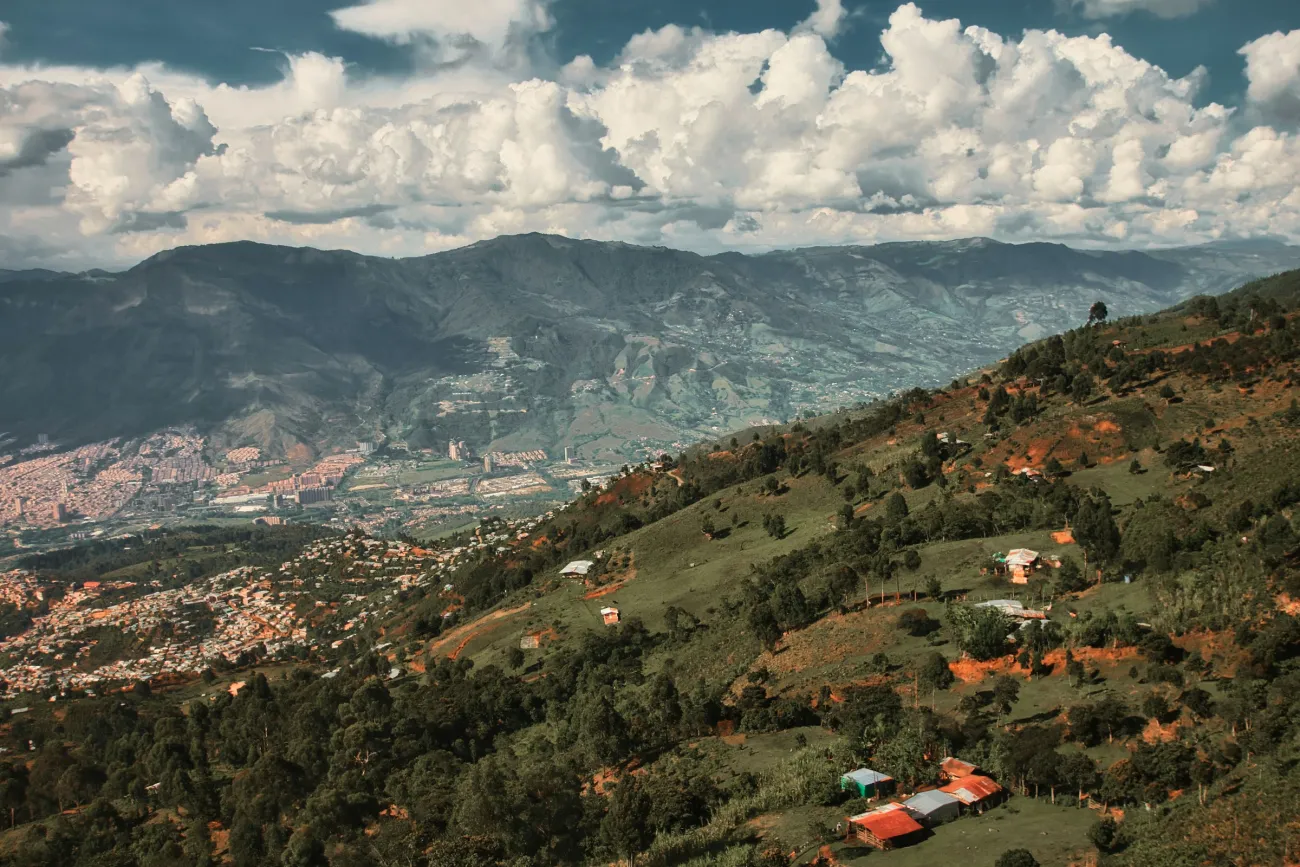
Image Essay Three approaches for sustainable agriculture and their relationship with nature: a view from Colombia In early 2024, the MESA team held a workshop in Colombia. The discussion in the room framed the main similarities and differences in relation to nature for each of three agricultural approaches: organic agriculture, agroecology and regenerative agriculture. Camilo Ardila Galvis joined TABLE in December 2023 as part of the team at the University of the Andes (School of Government) in Colombia. He holds a BA in Economics, MA in Development Studies and MSc in Agroecology.This essay is also available in Spanish. Read
Image Essay What can the Dublin Declaration teach us about credible scientific advocacy? The Dublin Declaration is a pro-livestock statement that emerged from a Summit held in Ireland on the societal role of meat. While the Declaration has had influence in EU spaces, it has also attracted considerable criticism for its limited engagement with the climate, nature and social implications of the current livestock system, and for its authors’ apparent connections to the meat industry. Irina Herzon, who co-authored a response to the Declaration published in Nature Food in August, argues that, irrespective of those connections, the Declaration provides an example of a flawed scientific advocacy that should make us wary. Here, she sets out how selective evidence and unwarranted polarisation can compromise the integrity of academic engagement. Read
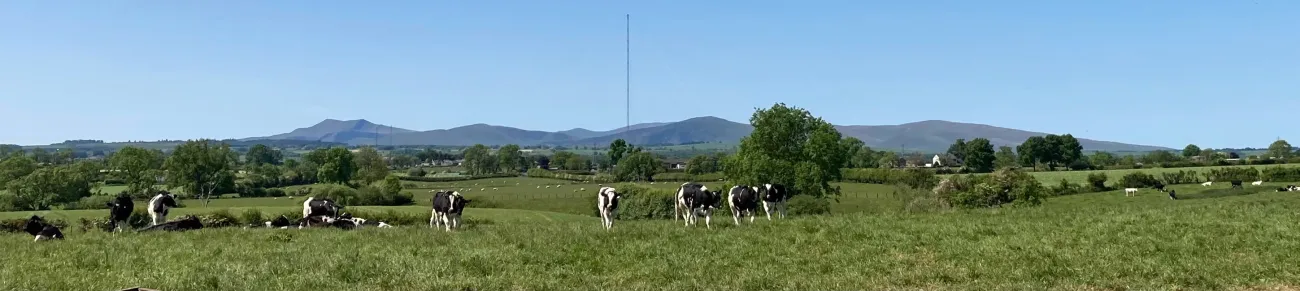
Image Essay Food and Farming in the Fells: regenerative agriculture and pathways to change in Cumbria Student and dairy farmer Joe Lyall rejects polarising food system solutions and finds balance between food and nature in regenerative agriculture while reflecting on his family’s business. This essay is based on a submission to TABLE’s 2024 Essay Challenge. Read